Ecology and Genetics
Our research tackles biodiversity and its future with modern methods and a wide range of approaches. Our topics range from ecosystem and community level processes to molecular interactions, and our study organisms from microbes to animals and plants.
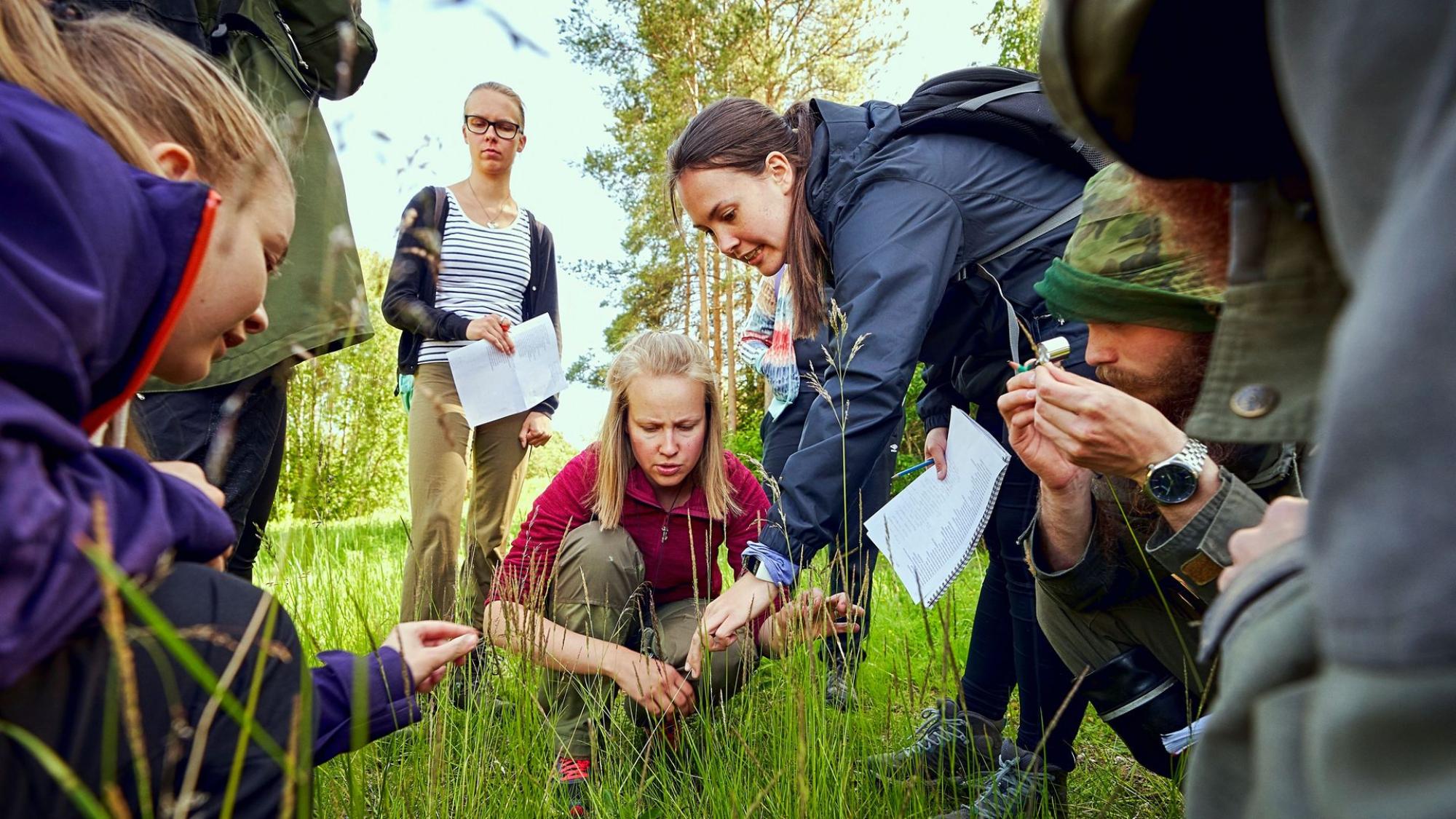
Our research is diverse in topics, approaches and study organisms, with the unifying theme of describing, understanding and safeguarding biodiversity. We carry out long term field studies, field and laboratory experiments as well as modern molecular and genetic and genomic analyses to understand organisms and communities through the lenses of global change, community and population ecology, molecular and cellular interactions, genomics and evolution.
We collaborate extensively across disciplinary borders at University of Oulu, for example through the Biodiverse Anthropocenes and SAFIRE programs. The Ecology and Genetics Research Unit has extensive national and international collaborative networks, including collaborations with the Finnish Natural Resource Institute and the Finnish Environmental Institute, both of which have offices on the University campus.
The Unit has excellent laboratory facilities, including growth chambers, clean laboratory, ecological, molecular biology, microbiological and in vitro laboratories. Our laboratory equipment include stabile isotope analyzer (Picarro), quantitative PCR machines, Sanger sequencing (ABI3100) and next generation sequencing (Ion Torrent) facilities. We also extensively employ Oxford Nanopore sequencing technology for example in analyses of environmental DNA. We have direct access to ultra clean laboratories in the Center of material analyses for ancient-DNA studies. Further laboratory facilities are available at the Biocenter sequencing center, including an Illumina NextSeq 550 sequencer. The Botanical gardens provide greenhouses and experimental field sites. The natural history collections of the Botanical and Zoological museums provide further research facilities. Oulanka research station and Krunni field station offer additional possibilities to facilitate field studies.