 Language
Hydrogen refuelling equipment arrives in Utajärvi – hydrogen truck field trials move forward
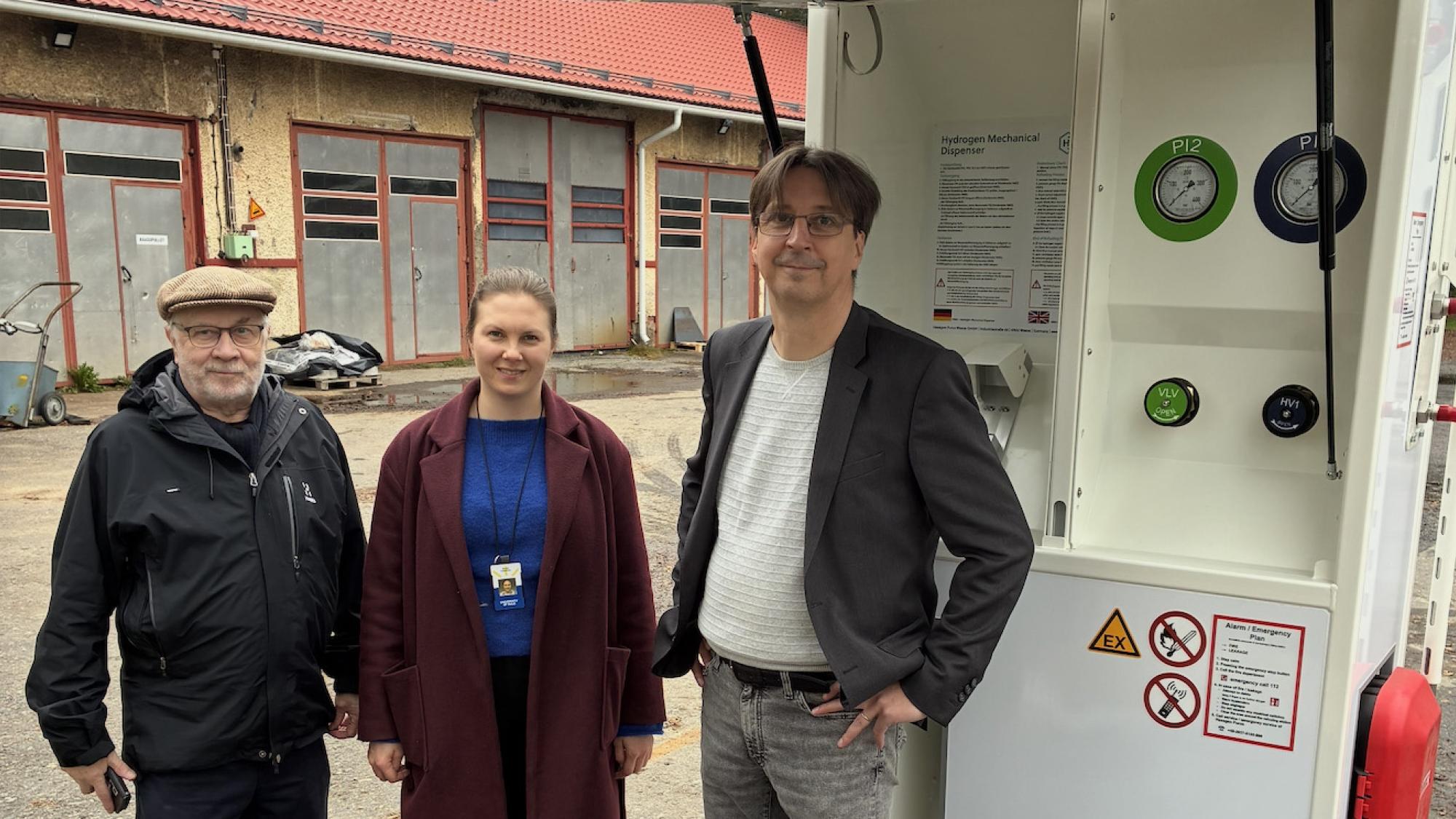
The hydrogen refuelling equipment, leased from Vireon and manufactured by Hexagon, operates using the pressure difference of the gas. The mobile equipment will first be used in Utajärvi and later moved to Oulu. It will be used in field trials conducted within the H2Go Invest project and related research projects to study the operation of a hydrogen-powered heavy-duty vehicle in a real-world operating environment.
Access to refuelling is an important prerequisite for studying the use of hydrogen in transport in Northern Finland. The wider adoption of hydrogen vehicles has been partly hindered by the lack of refuelling infrastructure, while investment in infrastructure has been difficult to justify without vehicles to use it. The equipment now located in Utajärvi enables practical piloting and the collection of new research data.
Research across the hydrogen value chain
The research built around the refuelling equipment brings together expertise from five units at the University of Oulu. The research examines areas including the safety and technical solutions of hydrogen refuelling, hydrogen value chains and their impacts on transport systems, and companies’ readiness to adopt hydrogen.
Digital services between the vehicle and the refuelling point are also being developed. In cooperation with the Finnish Defence Forces Logistics Command, the research also explores the potential role of hydrogen in future defence logistics and in supporting security of supply.
At Oulu Business School, the energy transition in heavy-duty transport is studied through the complementary VISIOK and H2Go projects, which are co-funded by the European Union. Previous field trials have generated comparative data on electric and diesel-powered heavy-duty vehicles. The introduction of hydrogen refuelling takes the research to the next stage by bringing a hydrogen-powered heavy-duty vehicle into the trials.
The next steps at the Utajärvi refuelling site include the necessary installations, grounding, nitrogen purging and official commissioning inspections. Refuelling and research activities will begin once the required approvals have been granted.