 Language
MAI researcher Oxana Gisca contributes to EU AML/CFT Senior Advisory Group meeting in Brussels
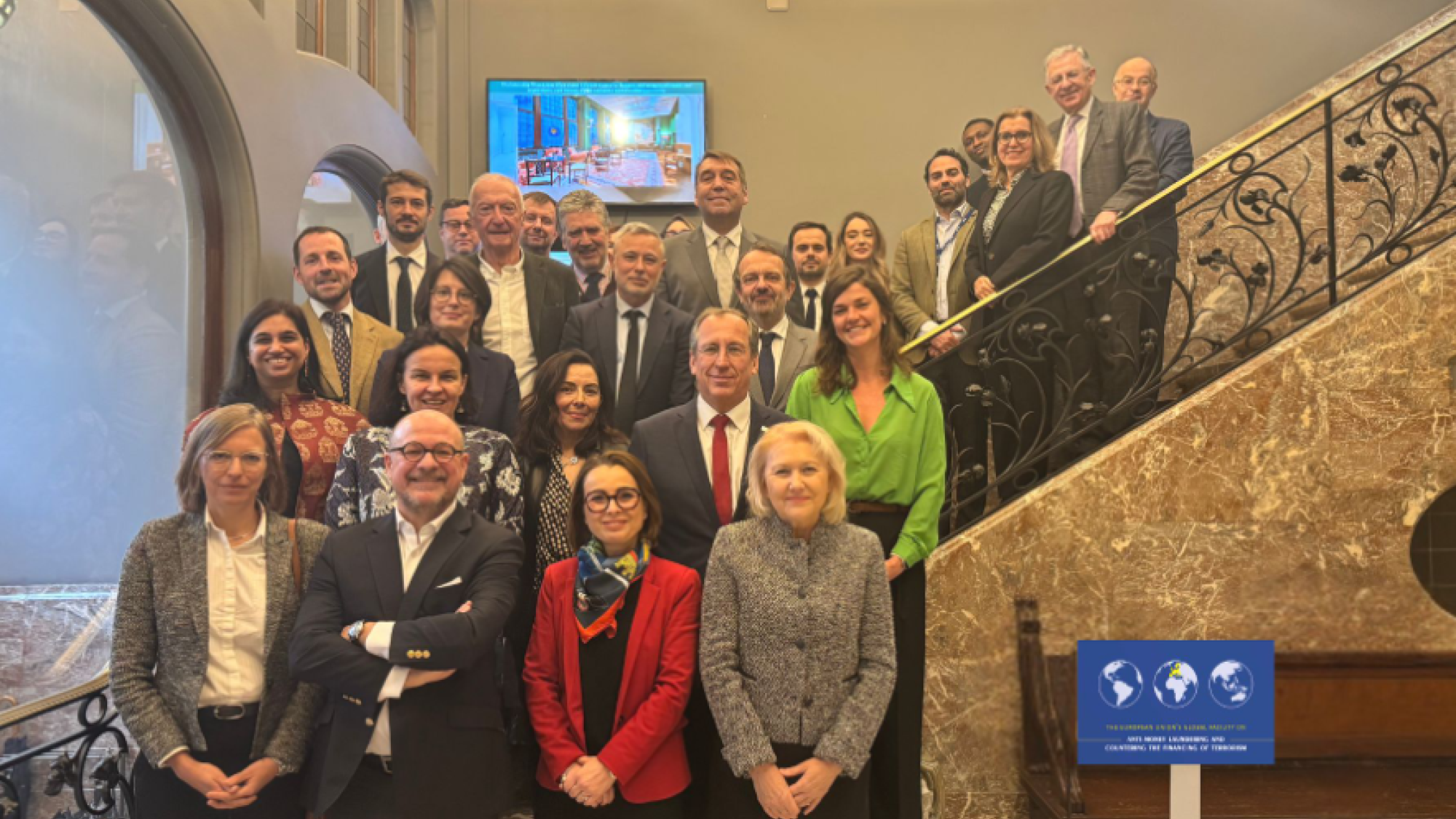
The meeting opened with remarks from Maria Rosa Sabbatelli, Head of Unit at the European Commission’s Service for Foreign Policy Instruments (FPI). She emphasized the urgency of collective action in countering illicit finance, noting that the fight against money laundering is a constant race against adaptation. As she stated, “Our efforts might seem like barely touching the tip of the iceberg. But we are having the conversation, and we should continue being ambitious. This is not just about numbers on a spreadsheet. It’s about protecting our economies, our communities, and our democratic institutions from being undermined by illicit finance.”
A strategic forum shaping global AML/CFT priorities
The Senior Advisory Group convenes 12 senior experts from financial intelligence units, law enforcement, the judiciary, civil society, EU institutions, the private sector, and academia. The group provides strategic guidance to the EU Global Facility, ensuring that its technical assistance anticipates emerging threats and responds effectively to partner country needs.
Key themes addressed during the meeting included:
- Strengthening cooperation with standard-making FATF-style regional bodies such as GAFILAT, MENAFATF, and the Asia Pacific Group, as well as the Egmont Group of Financial Intelligence Units
- Responding to emerging threats in virtual assets and cryptocurrency enabled crime
- Reviewing FATF developments and preparing for the next round of mutual evaluations
- Ensuring alignment with European Commission policy priorities in the evolving AML/CFT landscape
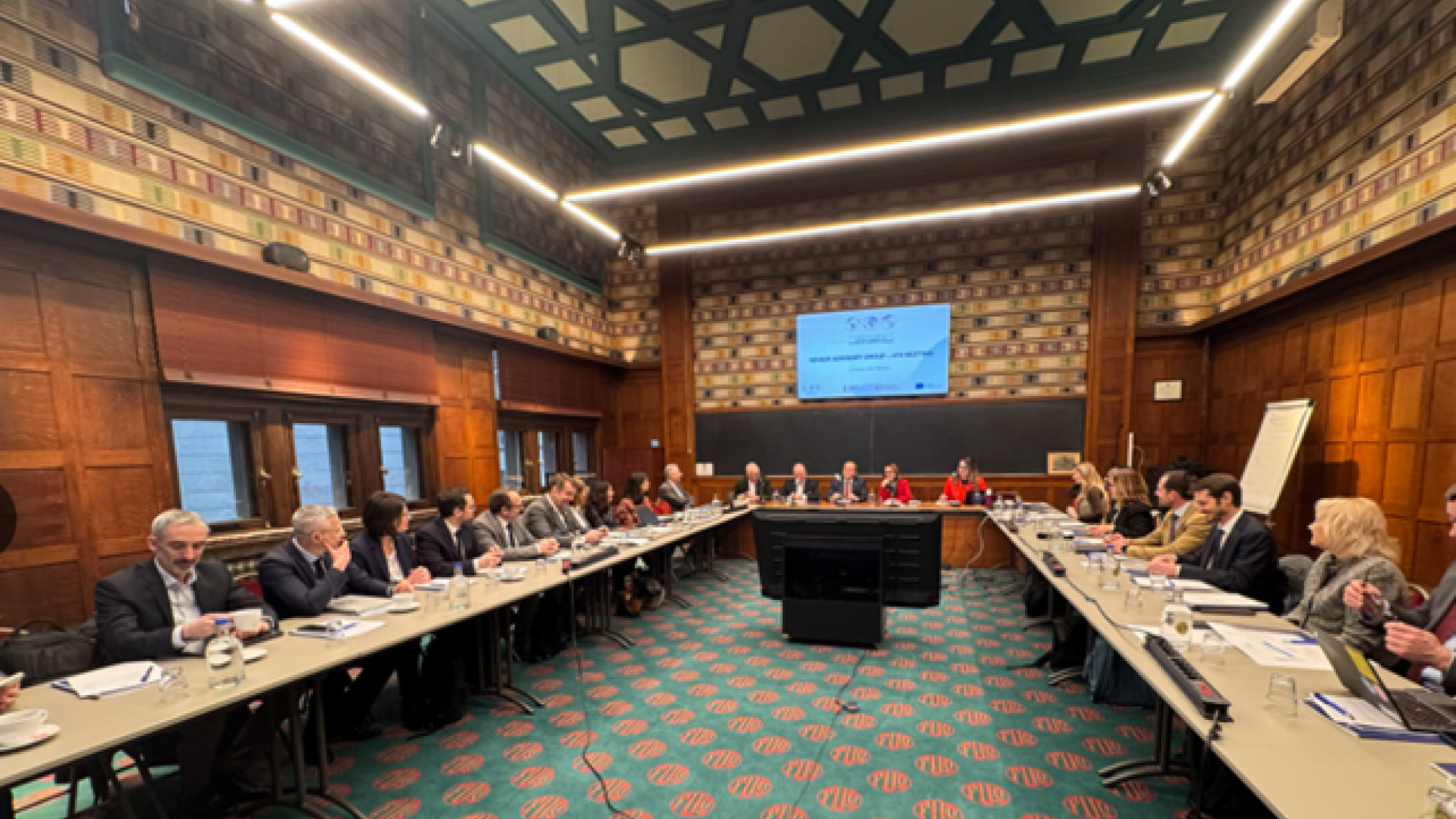
Moderating a high level discussion on virtual asset risks
Dr. Gisca served as moderator of the panel “ML and TF Emerging Threats and Challenges in Virtual Assets: The Role of Interaction Between Standard Setters and Technical Assistance Providers.” The session explored how rapidly evolving virtual asset ecosystems are reshaping global AML/CFT risks, and how closer coordination between international standard setters and technical assistance providers can strengthen countries’ capacity to respond.
The discussion highlighted:
- The need for dynamic regulatory approaches that keep pace with technological innovation
- The importance of cross regional knowledge sharing to address increasingly complex typologies
- The role of technical assistance in translating global standards into practical, context specific implementation
- Opportunities for greater alignment between FATF guidance, regional bodies, and EU funded support initiatives
Dr. Gisca’s moderation contributed bridge perspectives from practitioners, policymakers, and experts, contributing to a forward looking dialogue on how to safeguard financial systems amid accelerating digital transformation.
Advancing MAI’s mission through global engagement
The Brussels meeting reaffirmed the EU’s commitment to strengthening global AML/CFT frameworks and enhancing international cooperation against criminal networks exploiting interconnected financial systems. Dr. Gisca’s contribution reflects the Martti Ahtisaari Institute’s dedication to producing research and expertise that support resilient, transparent, and well governed societies.
Her engagement in this high level forum continues the Institute’s tradition of contributing to evidence based policymaking and fostering dialogue at the intersection of governance, security, and sustainable development.