 Language
Martti Ahtisaari Institute at the Regional Conference on Virtual Assets and AML/CFT in Mexico City
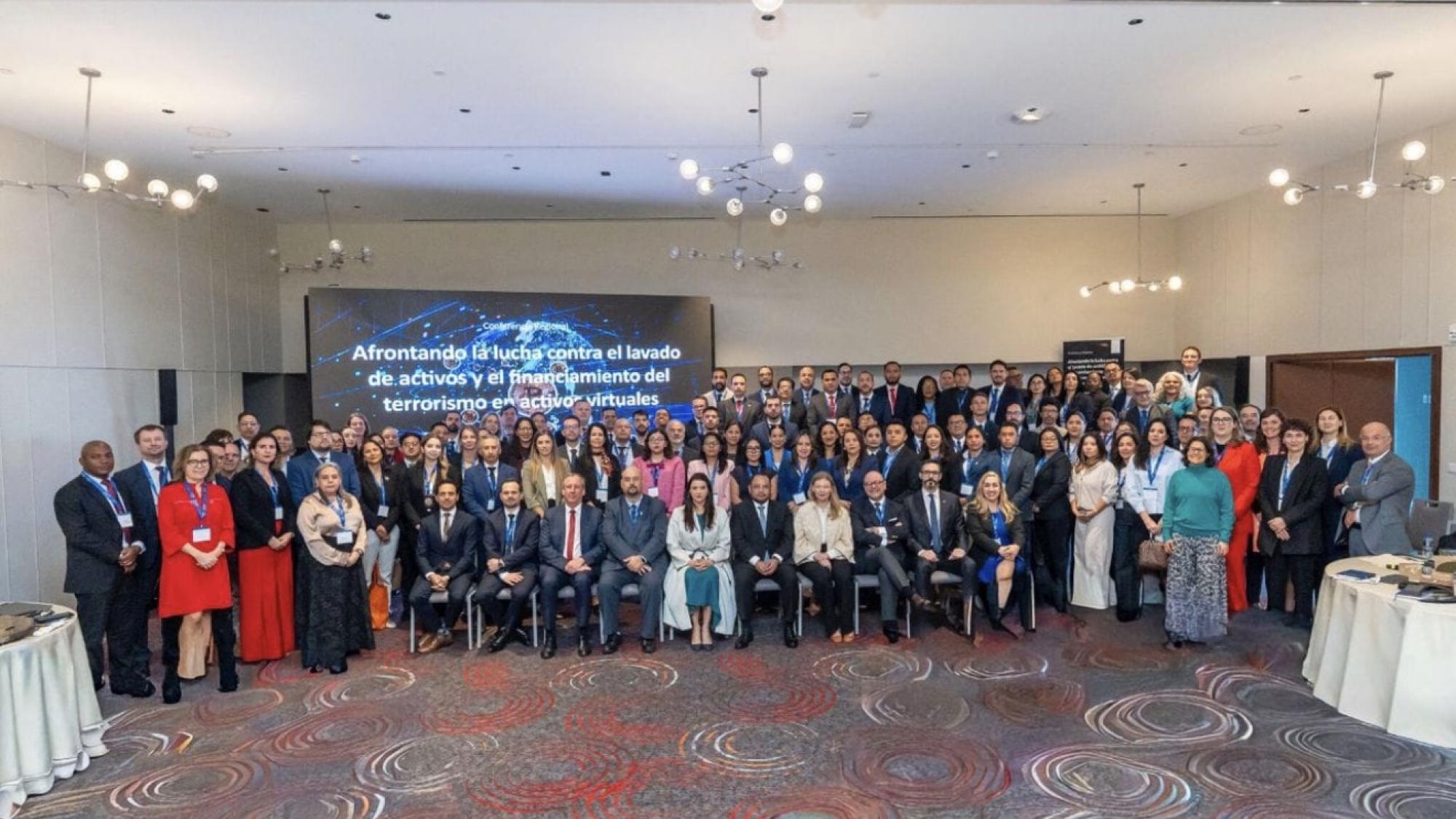
The conference was co-organized by the EU Global Facility on AML/CFT, EL PAcCTO 2.0, GAFILAT, German Cooperation, and the Financial Intelligence Unit of Mexico in Mexico City on 10–13 March 2026.
Opening the conference: a call for coordinated action
The conference was opened by a distinguished panel of international leaders, including Suvi Roponen, European Union Deputy Head of Delegation; Elisa de Anda Madrazo, President of the Financial Action Task Force (FATF); Esteban Fullin, Executive Secretary of GAFILAT; Javier Samper, Director of EL PAcCTO 2.0; and Laurent Marion, Head of the Governance Department, EU Global Facility on AML/CFT.
Their remarks highlighted the importance of international cooperation, shared responsibility, and coordinated cross-border action in addressing the risks and opportunities associated with virtual assets.
As FATF President Elisa de Anda Madrazo noted: “Virtual assets are not a problem. They offer numerous opportunities. But countries must work together to ensure they are not used for illicit purposes."
Building skills for a rapidly evolving landscape
The Martti Ahtisaari Institute post-doctoral researcher Oxana Gisca, contributed to a panel titled “Staying Ahead of the Curve: Essential Skills and Training for Virtual Asset Professionals.” The panel brought together experts, regulators, and training providers to examine how education and cross-border collaboration can support professionals working in the virtual asset domain.
Key themes included:
- Core competencies required for supervisors, financial intelligence units, law enforcement, and compliance professionals
- Training models that combine academic research with real-world casework
- The role of regional cooperation in strengthening knowledge and capabilities
- Co-creation of training programmes with national and regional partners
Participants emphasized that effective oversight of virtual assets requires more than regulation. It depends on a workforce equipped with technical, analytical, and cross-disciplinary skills.
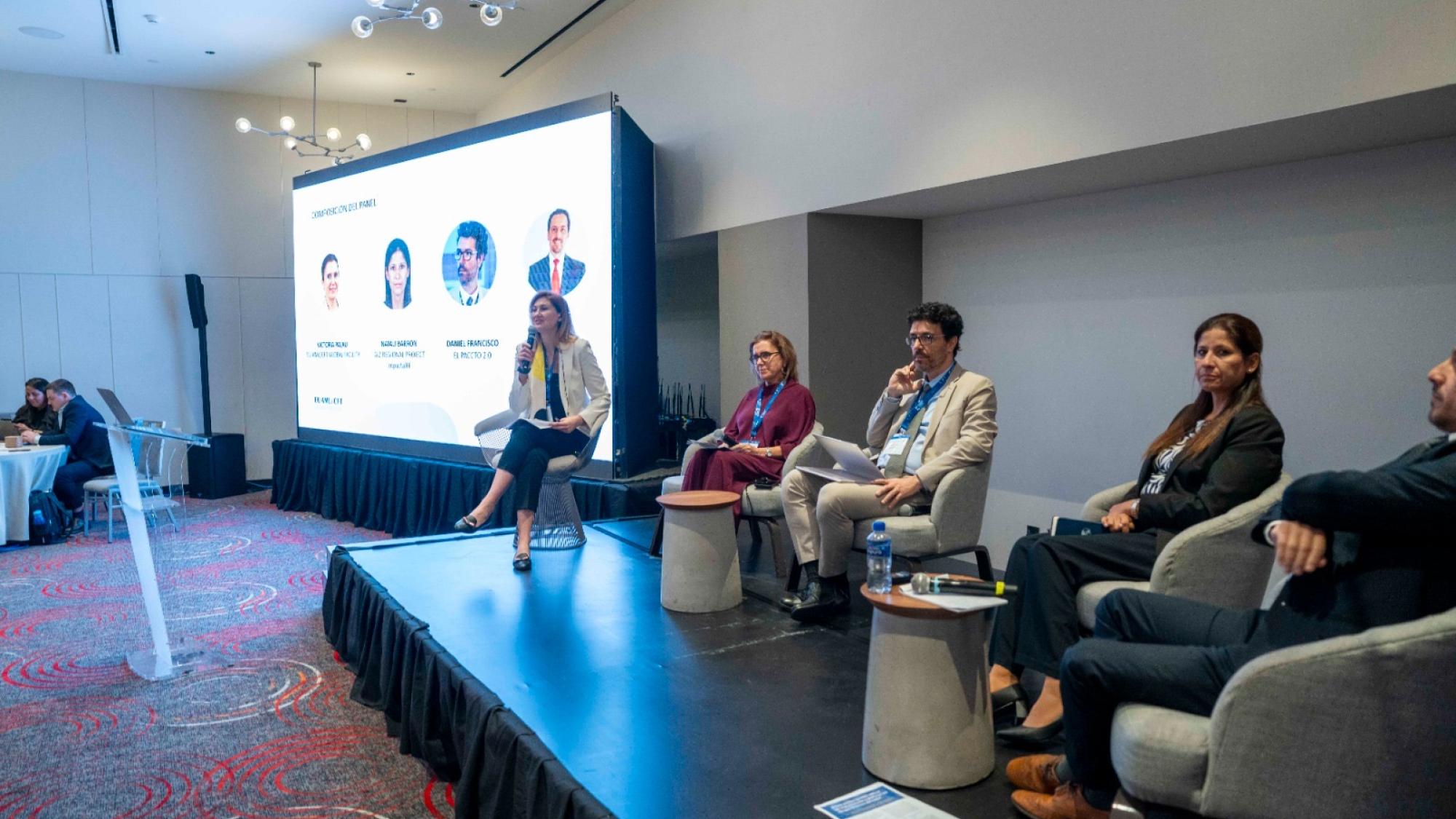
Post-doctoral researcher Oxana Gisca moderating a panel titled “Staying Ahead of the Curve: Essential Skills and Training for Virtual Asset Professionals".
Regional collaboration at the core
The conference brought together financial intelligence units, prosecutors, law enforcement agencies, supervisory authorities, and civil society organizations from across the region.
A central takeaway was that the most effective solutions are often developed by countries with practical experience in regulating, supervising, and investigating virtual assets. By sharing lessons learned and good practices, participants strengthened a regional network committed to safeguarding financial integrity while supporting responsible technological development.
Training and technical assistance as key enablers
Contributions from the EU Global Facility on AML/CFT, GIZ, EL PAcCTO 2.0, and the GAFILAT Secretariat highlighted the importance of structured technical assistance and capacity-building initiatives.
Developed in close cooperation with regulators, practitioners, and international partners, these efforts help to:
- Build consistent regional standards
- Support the implementation of FATF recommendations
- Strengthen investigative and supervisory capabilities
- Foster innovation through informed and confident professionals
The Martti Ahtisaari Institute contributes to this work through research-based training, executive education, and international collaboration.
Looking ahead
As virtual assets continue to evolve, so must the capabilities of those responsible for regulating, supervising, and investigating them. The discussions in Mexico City underscored that technical assistance is not optional—it is essential.
The Martti Ahtisaari Institute and Oulu Business School look forward to deepening cooperation with partners across Latin America and beyond, supporting the development of expertise needed in an increasingly complex digital economy.