Significant milestone achieved in the Doctoral education pilot: Doctoral Researchers publish their first research articles
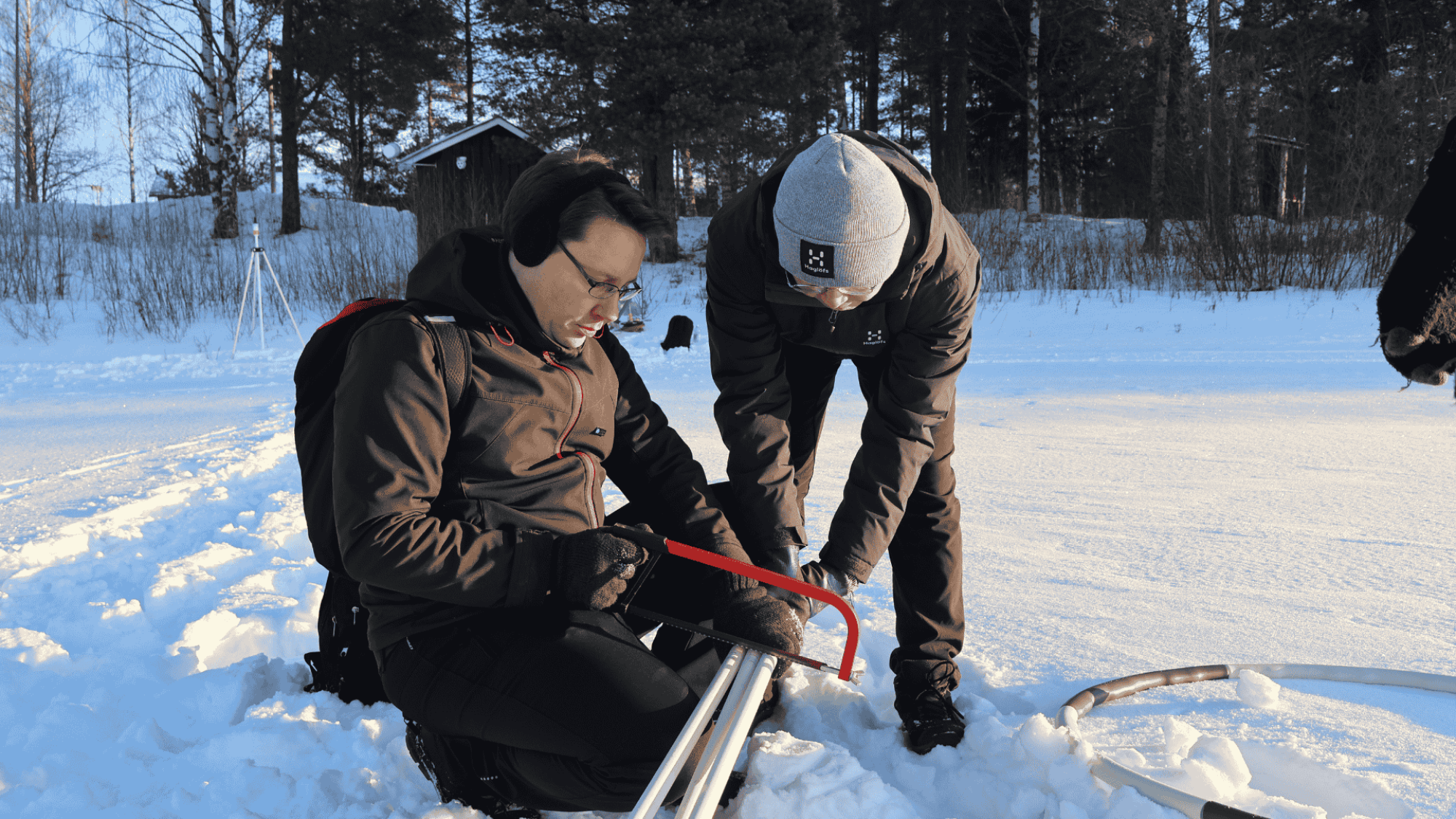
In the pilot, several doctoral researchers have published their first research articles. These articles have emerged from a variety of flagship research areas, covering topics such as hydrology, wastewater management, ecology, water management, modeling, digitalization, robotics, and remote sensing.
In the national doctoral training pilot for 2024–2027, approximately 1,000 new Doctoral researchers have been recruited to universities to pursue their doctoral degrees. In the pilot, universities are developing and renewing doctoral training practices. This initiative is based on the recommendations of the parliamentary RDI (Research, Development, and Innovation) working group and commitments in the government program.
The goal of the DIWA doctoral education pilot is to strengthen researchers’ practical skills in conducting research, including research design, data utilization, and data and digital competence, as well as to develop capabilities in project management and collaboration. The aim is to train experts who will be able to serve as pioneers in water research in the future. DIWA also actively focuses on developing supervisors and supervisory practices.
“Getting the first article underway and published is often one of the most challenging stages of the doctoral dissertation process. The fact that doctoral researchers have already reached this milestone speaks to the effectiveness of the pilot. The Pilot has emphasized starting the writing process as early as possible to ensure that dissertations progress according to the planned three-year timeline. The community of over 60 doctoral researchers, peer support, and experience-based guidance from postdoctoral researchers have been particularly valuable in this process," says DIWA Flagship director & Professor Björn Klöve.
Expert guidance and peer support strengthen the skills of doctoral researchers
As the pilot has progressed, doctoral researchers have found shared writing workshops, peer support from fellow researchers, and a unique, close-knit research community that supports learning and professional development to be particularly valuable. In addition, they have benefited from expert supervision. Each doctoral researcher is appointed by at least two supervisors from within the university or externally. The role of these supervisors is to act as guides and mentors throughout the research process. They provide feedback, monitor the progress of the research, and also ensure compliance with academic standards.
“As I have advanced in my doctoral journey, I have sometimes felt a bit uncertain about my expertise. Nevertheless, my knowledge and skills have grown significantly, and my confidence in my work has strengthened thanks to the support and feedback from my supervisors. I hope that every doctoral researcher has access to open and supportive supervision, as it has an enormous impact on the progress of research,” says doctoral researcher Eeva Järvi-Laturi.
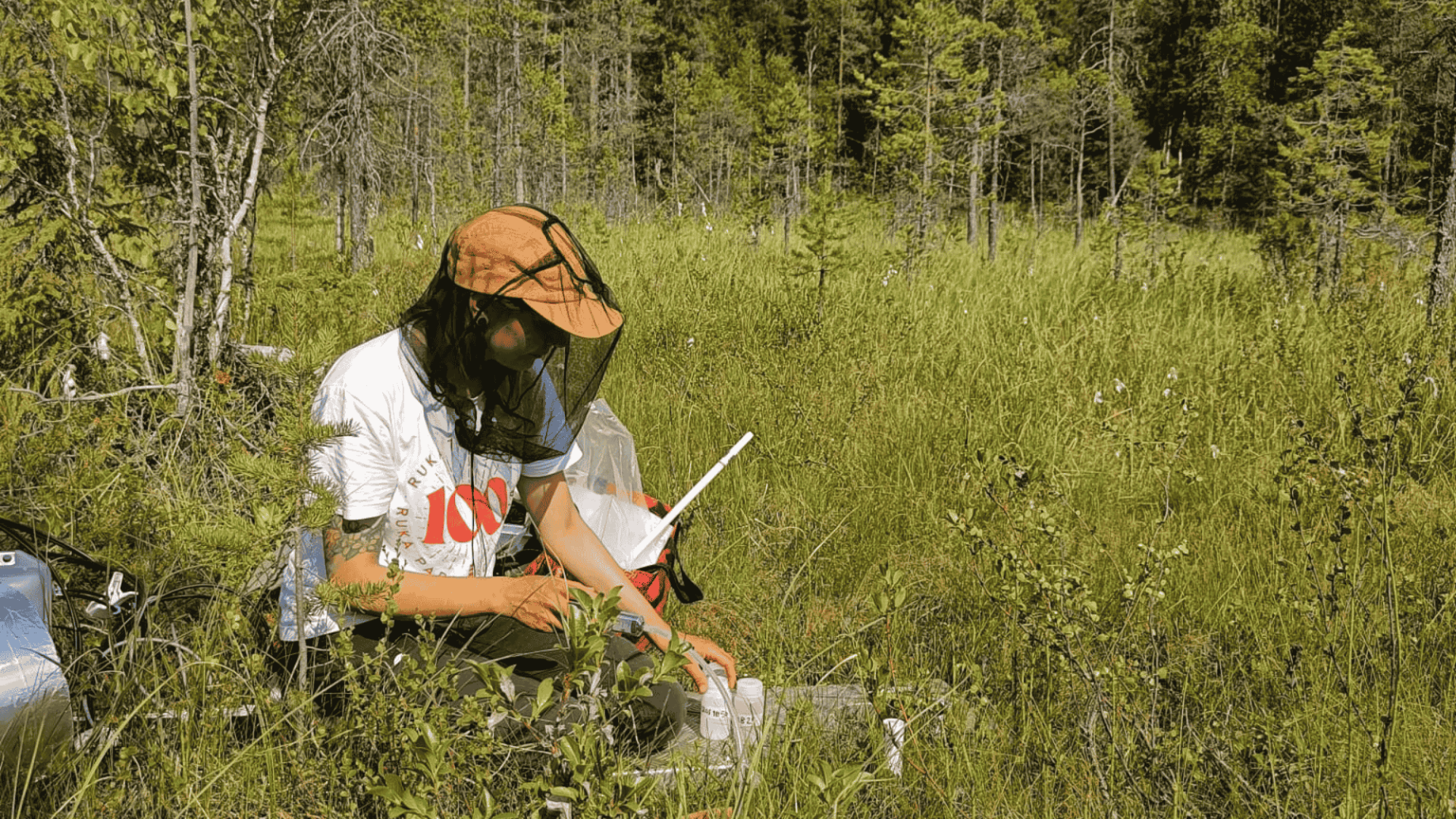
The supervisors’ role also includes supporting doctoral researchers in the publication process of research articles, which can be a long and demanding part of academic work. Some doctoral researchers may find the process slow, as it involves several different stages.
“I am confident about my progress, but at the same time, conducting research and going through the publication process sometimes feels slow. However, discussing the impact of the research I am doing motivates me, and the support provided by my supervisors has been invaluable,” explains doctoral researcher Jan Olsman, Aalto University.
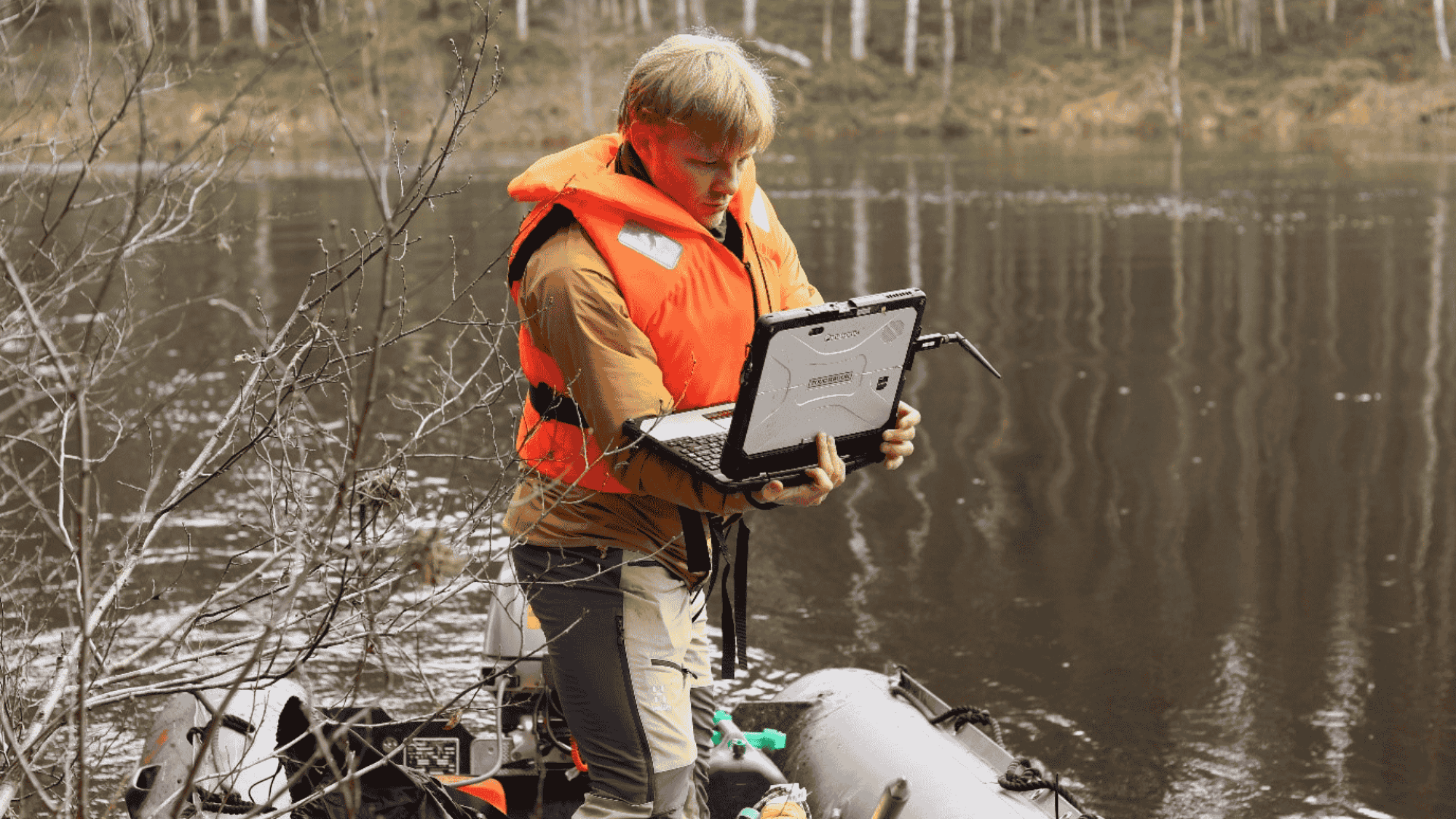
The Pilot supports the development of expertise
As the first research articles are completed, doctoral researchers have also begun secondment visits to companies and research organizations, aimed at strengthening the link between research and industry. The new generation of experts brings fresh skills to both public and private sector actors.
These visits provide researchers with the opportunity to explore different working environments, understand the research needs and development challenges of various actors, offer new perspectives for scientific writing, and enable closer research collaboration. In addition, they promote networking and enhance doctoral researchers’ career readiness. In this way, the pilot supports the development of Doctoral researchers as experts, lays a strong foundation for future water research, and promotes the integration of international professionals into Finland’s environmental sector.
The DIWA Doctoral Education Pilot is based on the Digital Waters flagship program. In addition to the University of Oulu, the pilot includes Aalto University, the University of Turku, the University of Eastern Finland, and Åbo Akademi University, as well as the Natural Resources Institute Finland, Finnish Institute for Health and Welfare, Finnish Geospatial Research Institure FGI, the Geological Survey of Finland GTK, the Finnish Environment Institute, and the Finnish Meteorological Institute.
The Doctoral Education Pilot doctoral research positions are funded by the Ministry of Education and Culture.
Read more about the topic:
Doctoral education pilots in the University of Oulu
The DIWA Doctoral Education Pilot educates future water experts at the University of Oulu