 Language
Getting Out of Comfort Zone: international academics immerse themselves in Oulu’s business ecosystem
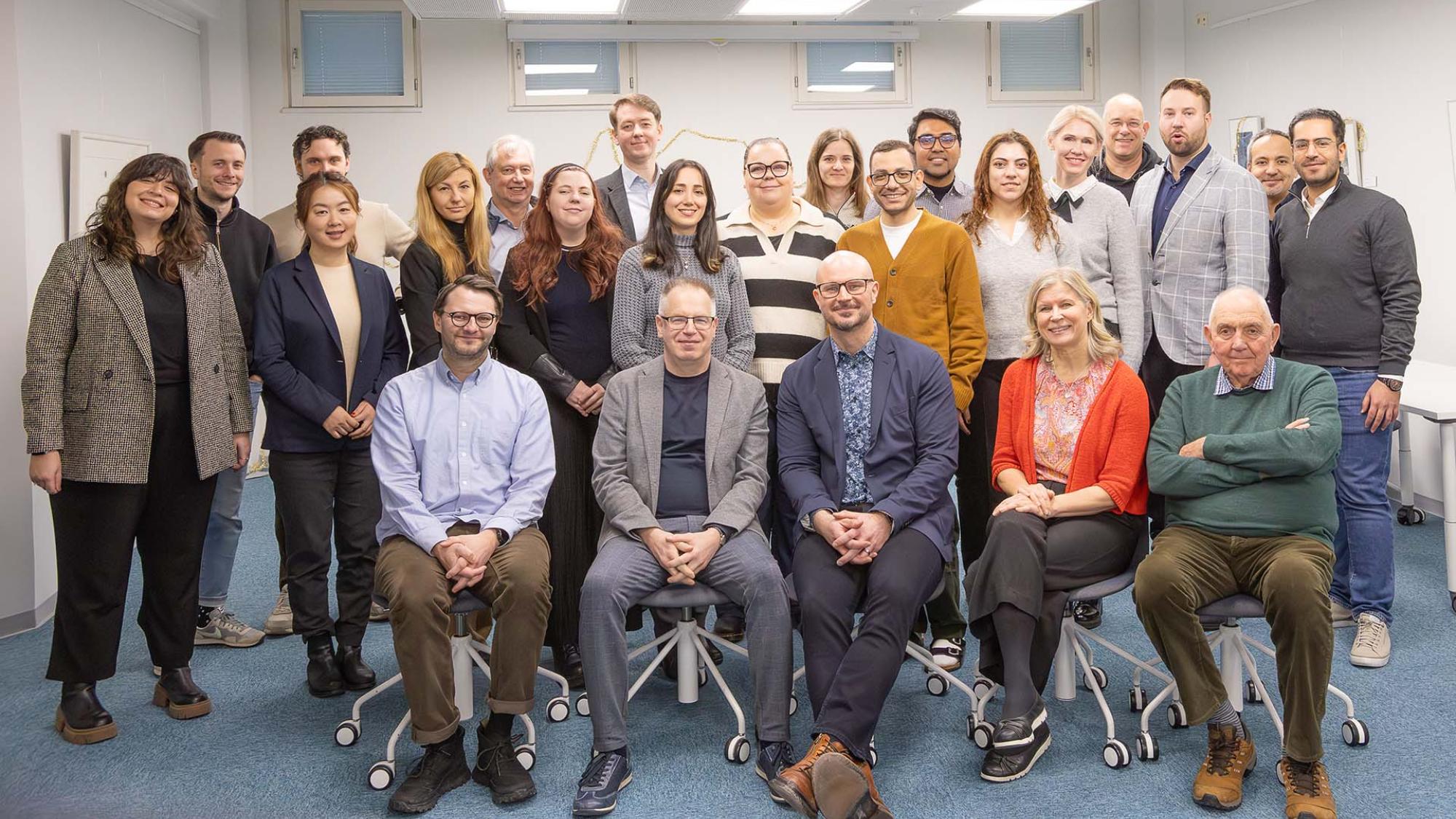
Over the course of five intensive days, participants stepped outside the traditional academic setting and embedded themselves in three Oulu-based companies: the media house Kaleva Media, the digital access-management innovator iLOQ, and the energy sector operator Oulun Energia. Working in interdisciplinary teams, the academics explored real business environments, met with experts across organisational levels, and gained first-hand insight into how companies manage digital transformation, sustainability goals and evolving market challenges.
Immersion into real-world business practice
The week began with an orientation at the University of Oulu, followed by meetings with the host companies. Each group was assigned a company challenge connected to digitalisation, sustainability, or the intersection of both—often referred to as the “twin transition,” the interconnected shift toward a digitally enabled and environmentally sustainable economy. These challenges guided their observations and daily focus throughout the week.
Once embedded in their assigned organisations, the teams examined the challenge from multiple angles by observing daily operations, engaging with employees and managers, and exploring how strategic decisions and organisational culture shape each company’s response to modern transitions.
From observations to insights
As the week progressed, the teams deepened their understanding of the assigned challenges through discussions with company experts, analysis of organisational practices, and identification of potential development opportunities. Alongside examining the company cases, participants also reflected on how digitalisation and sustainability should be addressed in higher education: Which areas of the twin transition warrant greater attention? How can curricula support students in developing future-ready competencies? What kinds of learning activities encourage students to engage critically with real-life complexity?
Postdoctoral Researcher Rashid Dehkordi emphasised the role of people in successful transitions:
“The week made it clear that the green transition is not only about technological solutions but about the people who apply them, make decisions, and shape organisational practices. Our time with the companies showed how essential human competencies are in accelerating green transition. This is why higher education must focus on developing graduates who are eager to listen, learn, and ask questions that spark meaningful change.”
These combined insights shaped the analyses and recommendations the groups prepared for the closing event.
Public presentations and reflection
On Friday, the programme opened its doors for a public event at the University of Oulu’s Pegasus Library. Each group presented its conclusions to company representatives, GOOCZ faculty and a quality assurance auditor. The presentations sparked constructive dialogue at a panel workshop, deepening shared understanding between industry and academia.
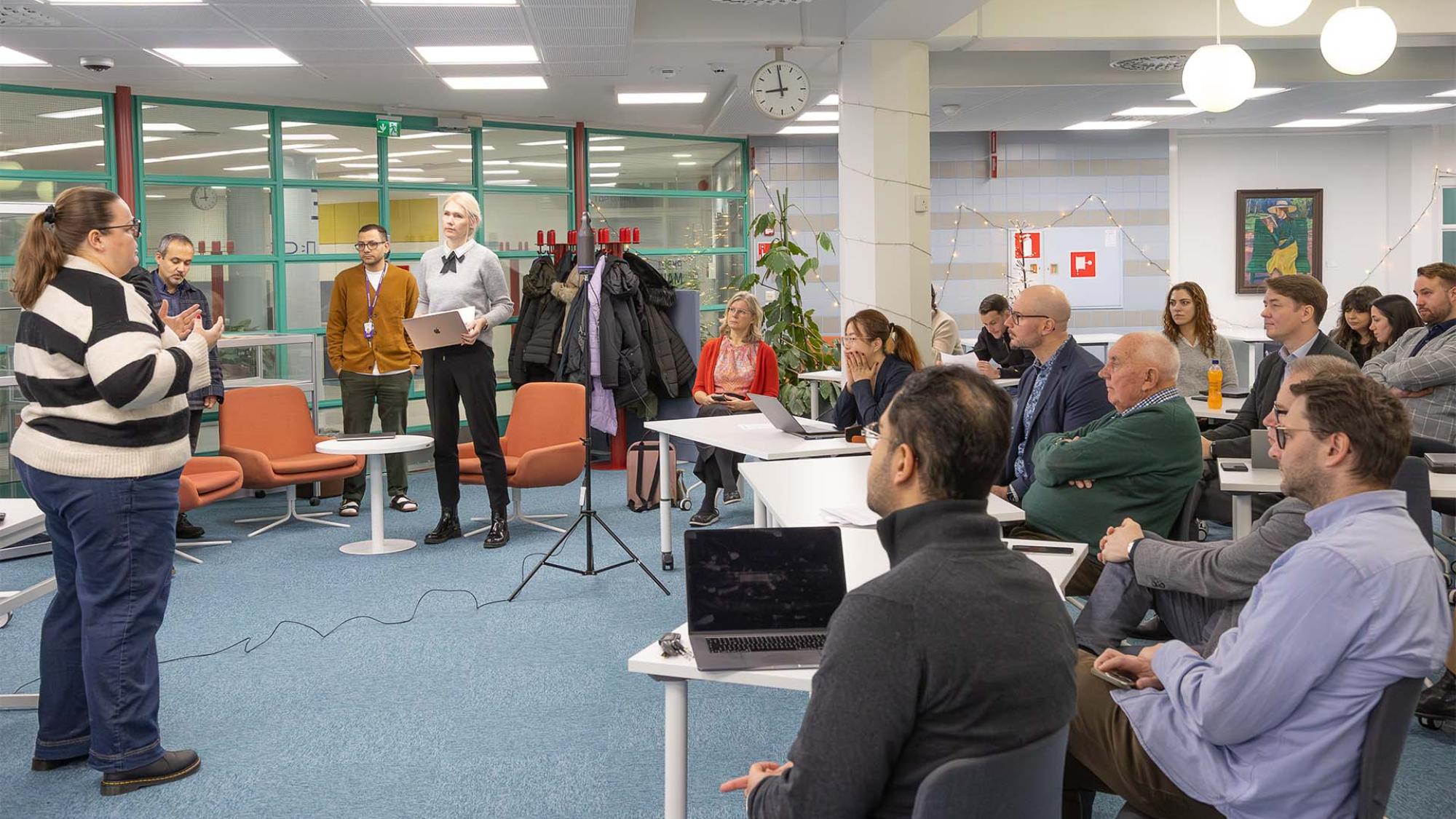
University Researcher Anne Keränen noted that the collaboration exceeded expectations:
“We were pleased to see how committed the companies were to the project. They allocated their time and resources generously throughout the week, and the participants had the opportunity to work on real challenges the companies are currently facing. This made the learning experience exceptionally meaningful and relevant.”
The week concluded with structured reflections and course assessment sessions. Participants completed self-reflection forms, while the quality assurance auditor conducted independent interviews to gather feedback that will inform future programme iterations. The GOOCZ faculty simultaneously met to evaluate the week and compile a development report.
Strengthening academic competence through real-world engagement
The GOOCZ programme advances its core mission: equipping educators with practical insight into contemporary business challenges, enabling them to better prepare students for a rapidly evolving labour market. By engaging directly with companies at the forefront of digital and green transition efforts, participants gain valuable perspectives that will shape future teaching, research and curriculum design.
For more information about the GOOCZ project, please contact Project Manager, University Researcher Anne Keränen.